

Marine Sewage Treatment Made Efficient with GNC Marine STP Solupak
GNC Marine STP Solupak enhances biological activity in marine STPs, reducing organic load, odors, and sludge while supporting stable wastewater treatment onboard.

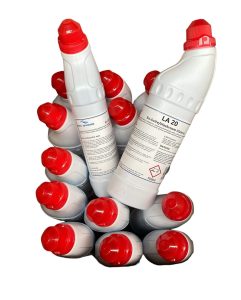
Marine sanitation systems are critical for onboard hygiene, crew comfort, and regulatory compliance. Yet many vessels still experience recurring issues such as pipe blockages, unpleasant odors, and excessive scale buildup in their black water systems.
In many cases, these problems are not caused by the sanitation system itself but by the type of toilet cleaning chemicals used onboard.
Selecting the right biological marine toilet cleaner can significantly improve the performance of marine sanitation systems, protect pipes from scale buildup, and reduce the need for additional chemicals used for descaling and maintenance.
For modern vessels operating with sewage treatment plants and stricter environmental regulations, choosing the right sanitation solution has become more important than ever.
A typical marine sanitation system consists of several interconnected components:
Marine toilets or vacuum toilet systems
Black water pipes and discharge lines
Collection or holding tanks
Sewage treatment plants (STP)
These systems must handle continuous wastewater flow while operating in harsh marine environments where seawater minerals and organic waste interact inside pipes.
Without proper maintenance, this combination leads to the formation of urine scale deposits, one of the most common causes of sanitation system failures onboard ships.
Urine scale forms when minerals from urine react with calcium present in seawater. Over time, these minerals create extremely hard deposits along the interior of pipes.
This buildup gradually narrows the internal pipe diameter and can cause:
Reduced wastewater flow
Increased pressure in vacuum toilet systems
Frequent pipe blockages
Strong odors in accommodation areas
Higher maintenance and cleaning requirements
Once scale deposits have formed, removing them can require intensive chemical descaling or mechanical cleaning.
Preventing scale buildup from the beginning is therefore one of the most effective strategies for maintaining a reliable sanitation system onboard.
Many traditional sanitation chemicals focus primarily on surface cleaning of toilets and urinals. While they may provide short-term visual cleanliness, they often do not address the underlying problems inside black water pipes.
Using unsuitable sanitation chemicals can lead to:
Accelerated urine scale buildup
Increased use of separate descaling chemicals
Higher maintenance requirements
Potential interference with sewage treatment plants
Greater overall chemical consumption onboard
For vessel operators, these issues can quickly translate into higher operating costs and increased downtime.
Historically, many vessels have used a two-product sanitation program consisting of:
A toilet cleaning product for hygiene and odor control
A separate chemical designed to remove scale deposits in pipes
Some well-known sanitation programs in the maritime industry follow this approach using products from established sanitation ranges.
While effective, this approach increases the number of chemicals stored onboard and requires additional handling, dosing, and logistics management.
As fleets modernize and environmental awareness increases, many operators are now looking for simpler and more sustainable sanitation solutions.
Instead of relying on multiple chemicals, modern sanitation products increasingly combine:
Toilet cleaning
Odor control
Biological waste breakdown
Descaling properties
By integrating these functions into a single product, vessels can simplify their onboard chemical programs while maintaining reliable sanitation performance.
LA 20NC from GNC Marine represents a new generation of marine toilet and black water system cleaners.
The formulation combines biological cleaning action with controlled descaling properties, allowing vessels to maintain clean toilets while simultaneously protecting pipes from scale buildup.
Unlike traditional two-product sanitation programs, LA20NC delivers multiple functions in one solution, helping ship operators reduce chemical consumption and simplify onboard chemical management.
LA 20NC helps prevent the formation of urine scale deposits that can restrict pipe flow and cause sanitation system failures.
The biological cleaning action helps maintain clean toilet bowls, urinals, and sanitary drains while reducing odor-causing residues.
With built-in descaling properties, LA 20NC can help reduce reliance on separate scale removal products.
The formulation supports biological wastewater treatment processes and does not disrupt beneficial bacteria in onboard STP systems.
By combining multiple sanitation functions in one product, vessels can reduce chemical storage, handling requirements, and plastic packaging waste.
As the maritime industry continues to focus on operational efficiency and environmental responsibility, sanitation systems are receiving greater attention.
Choosing a biological marine toilet cleaner with integrated descaling capabilities helps vessel operators maintain reliable sanitation performance while reducing the need for multiple chemicals.
Solutions such as LA 20NC from GNC Marine demonstrate how modern sanitation technology can simplify onboard chemical programs while supporting pipe protection, odor control, and wastewater system compatibility.
For operators seeking to improve sanitation system reliability while reducing maintenance costs, selecting the right toilet cleaner can make a significant difference.
The best marine toilet cleaners are biological products that help break down organic waste while protecting pipes from scale buildup. Integrated solutions with descaling properties can also reduce the need for additional sanitation chemicals.
Urine scale forms when minerals in urine react with calcium present in seawater. Over time, these deposits accumulate inside pipes and restrict wastewater flow.
Yes. Modern marine sanitation products now combine toilet cleaning and descaling properties in a single solution, helping reduce chemical consumption and simplify onboard chemical management.
Biological sewage treatment plants rely on beneficial bacteria to break down wastewater. Sanitation chemicals must therefore be compatible with these bacteria to maintain efficient wastewater treatment.
GNC Marine STP Solupak enhances biological activity in marine STPs, reducing organic load, odors, and sludge while supporting stable wastewater treatment onboard.

Discover the exciting new partnership between GNC Marine and Noordzee, aimed at revolutionizing the superyacht industry in France with innovative solutions for wastewater treatment and sustainable marine maintenance. Learn more about our commitment to cleaner seas and superior service.

Discover the exciting new partnership between GNC Marine and Noordzee, aimed at revolutionizing the superyacht industry in France with innovative solutions for wastewater treatment and sustainable marine maintenance. Learn more about our commitment to cleaner seas and superior service.